🧠 What Is Self-Control and Why Does It Matter?
Self-control is one of the most valuable skills a child can learn — and martial arts is one of the best, research-based ways to build it.
Self-control allows children to:
- Pause before reacting
- Follow directions even when they don't want to
- Manage frustration
- Control impulses
- Stay focused on a task
- Build healthy friendships
- Handle stress effectively
According to research from Mischel et al. (2011), children with stronger self-control skills tend to have better academic performance, higher emotional resilience, and stronger long-term life outcomes.
🥋 How Martial Arts Builds Self-Control (Research-Based)
1. Instant Response & Listening Drills Strengthen Executive Function
When children answer "Yes, Sir!" or "Yes, Ma'am!" immediately, they practice:
- cognitive flexibility
- auditory processing
- inhibitory control
📌 Research Insight — A 2019 study in the Journal of Child Neurology found that "structured motor activities requiring quick response improve children's executive function," including impulse control and working memory (Kim et al., 2019).
2. Movement + Rules = Natural Impulse Control Training
Martial arts requires children to:
- Stop on command
- Wait their turn
- Control the power of their kicks
- Follow step-by-step patterns
📌 Research Insight — A systematic review in Developmental Review (Diamond, 2015) shows that "activities combining movement + discipline significantly improve inhibitory control," which is the core of self-regulation.
3. Emotional Regulation Through "Fall 7 Times, Get Up 8"
Our school motto reinforces the idea that:
- mistakes are normal
- frustration is manageable
- effort matters more than perfection
📌 Research Insight — Studies from the American Psychological Association highlight that "resilience training in childhood reduces emotional reactivity and improves long-term emotional health" (Duckworth & Gross, 2014).
4. Structured Routines Build Predictability & Security
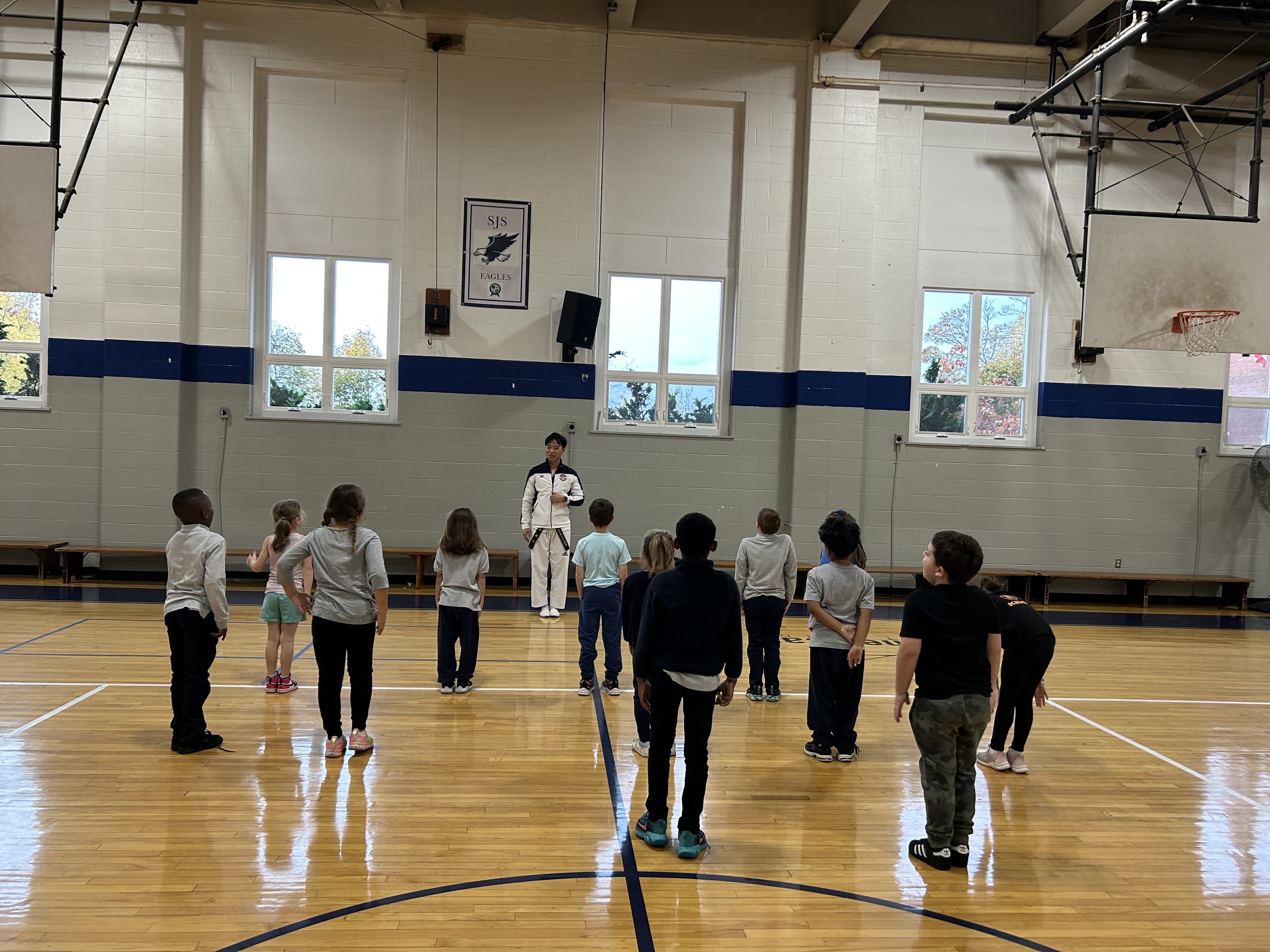
Children thrive when expectations are consistent. In our classes:
- Lining up
- Bowing
- Earning stripes
- Following clear curriculum steps
These routines help children stay calm, focused, and confident.
📌 Research Insight — The Journal of School Psychology reports that "predictable routines significantly improve self-regulation in elementary-aged children" (McClelland et al., 2018).
5. Safe, Controlled Sparring Teaches Calm Decision-Making
For older students, sparring teaches:
- discipline under pressure
- controlling strength
- respecting personal space
- reading body language
- breathing and staying calm
📌 Research Insight — A 2020 study in Psychology of Sport and Exercise found that "martial arts training improves emotional control, reduces aggression, and increases prosocial behavior" in children and teens.
🌱 Why Parents Notice Real Changes at Home
Many parents report improvements such as:
- ✔ "My child listens the first time."
- ✔ "Tantrums are less frequent."
- ✔ "They handle frustration better."
- ✔ "Homework is easier because they can focus."
- ✔ "They're more respectful at home and in school."
These changes are not accidental — they are the result of structured self-regulation training through martial arts.
🥋 Why Middleton U.S. Taekwondo Is Especially Effective
Our curriculum is built with purpose:
- ✔ Fast-paced drills for attention training
- ✔ Strong voice & posture for confidence
- ✔ Partner drills for social skills
- ✔ Clear rules & routines for discipline
- ✔ Problem-solving through sparring (older students)
- ✔ "Fall 7 times, get up 8" for resilience
We don't just teach kicking — we teach kids how to control their bodies, minds, and emotions.
📚 References (Parent-Friendly Academic Sources)
- Diamond, A. (2015). Effects of physical activity on executive functions. Developmental Review.
- Mischel, W., et al. (2011). Willpower and self-control development in children. PNAS.
- Duckworth, A. & Gross, J. (2014). Self-control and grit in child development. Psychological Science.
- Kim, S., et al. (2019). Motor activity and executive function in children. Journal of Child Neurology.
- McClelland, M., et al. (2018). The role of routines in self-regulation. Journal of School Psychology.
- Lakes, K. & Hoyt, W. (2004). Martial arts training and behavioral self-regulation. Journal of Applied Developmental Psychology.
Ready to Start Your Martial Arts Journey?
Join Middleton U.S. Taekwondo and experience the transformative power of martial arts training. Sign up for a free trial class today!
Get Free Trial